Dibs on the Farmer: A Designer’s Review for Embroidery
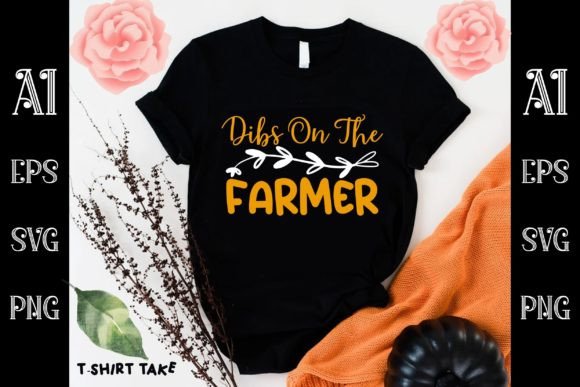
As a designer who has spent countless hours digitizing patterns and troubleshooting machine quirks, I approach every new machine embroidery design with a critical eye. It is not just about whether an image looks cute on a screen; it is about how it translates to thread, how it behaves on fabric, and whether it holds up under the needle of a commercial or home machine. Recently, I evaluated Dibs on the Farmer, a graphic that initially caught my attention for its rustic charm and potential versatility in the custom apparel market.
This piece falls squarely into the category of T-Shirt Designs and digital Graphics, but my focus was strictly on its viability as a stitched product. For Etsy sellers, boutique owners, and hobbyists looking to expand their inventory with meaningful, high-quality items, understanding the practical application of such a design is crucial before committing to production.
First Impressions and Visual Personality
The first thing that strikes you about Dibs on the Farmer is its narrative quality. It does not scream for attention with neon colors or chaotic lines; instead, it offers a warm, grounded aesthetic that resonates with current trends in farmhouse decor and rural lifestyle branding. The layout appears balanced, with clear shapes that suggest it would translate well into satin and fill stitches without becoming a muddy mess of thread.
For a designer, the "mood" of a pattern dictates its market. This design feels nostalgic yet modern, making it ideal for personalized gifts that aim to evoke comfort and tradition. Whether you are creating a holiday gift for a grandfather who loves his land or a branded item for a local agricultural co-op, the visual personality here is strong. It avoids the trap of being overly cartoonish, maintaining a level of sophistication that appeals to adult buyers while remaining accessible enough for family-oriented projects.
Real-World Application: From Mockup to Stitch
To truly test Dibs on the Farmer, I mentally placed it on several common substrates used in my own craft business. The most obvious candidate is a heavyweight cotton sweatshirt. Embroidery adds texture and weight, which complements the cozy nature of fleece or French terry. On a dark navy or forest green sweatshirt, this design would pop beautifully if paired with cream, tan, or muted earth-tone threads. The contrast is key here; without proper thread color selection, the details could get lost.
Beyond apparel, I considered its use on home goods. A canvas tote bag is a perfect vessel for this type of graphic. The sturdy weave of canvas supports the stitch density required for larger graphics, ensuring the design does not pucker or distort. Imagine this stitched onto a natural linen apron for a farmer’s market vendor or a kitchen towel for a rustic-themed wedding gift. The durability of the stitch work on these items adds perceived value, turning a simple utility item into a cherished keepsake.
For those running a small shop product line, this design could also serve as an embroidered patch. Patches are trending heavily among younger demographics and allow for experimentation without committing to direct garment stitching. If the design scales down well, it could become a bestseller for iron-on or sew-on applications, adding another revenue stream for digital embroidery file sellers.
Technical Considerations and Stitching Challenges
While the aesthetic appeal is high, practical execution requires caution. One must consider the stitch density. Complex graphics often require a mix of satin stitch for borders and fill stitch for larger areas. If Dibs on the Farmer contains tiny lettering or intricate details, these elements may not survive the stitching process on textured fabrics like terry cloth or waffle knit. In such cases, a stabilizer is non-negotiable. I always recommend using a cut-away stabilizer for garments that will be washed frequently, as it provides long-term support and prevents the design from sinking into the fabric over time.
Curved surfaces present another challenge. If you plan to place this design on a cap or a baby onesie, the hoop size and curvature matter significantly. A large, dense design can cause puckering on stretchy baby fabrics. In these instances, testing on scrap fabric is essential. You might need to adjust the pull compensation or reduce the stitch count slightly to ensure the garment remains comfortable and retains its shape. For baby embroidery, softer threads and lower density settings are often preferable to prevent irritation against sensitive skin.
Dark fabrics require special attention to underlay stitches. Without proper underlay, the top threads may not cover the base fabric completely, leading to a sparse or unprofessional look. Always check your design in a black-and-white mockup to see how the light and dark areas interact. This simple step can save hours of re-stitching and wasted thread.
Commercial Viability and Brand Consistency
For commercial embroidery projects, consistency is king. Buyers engage with products that look professional and intentional. Dibs on the Farmer offers a cohesive look that can help build brand recognition for shops specializing in rural, vintage, or family-centric themes. When customers see a clean, well-executed stitch out, their trust in your craftsmanship increases. This translates directly to higher customer retention and positive reviews.
However, before listing this as a finished product or selling it as part of a design asset bundle, you must verify the licensing terms. The product description notes that these are digital files for personal use or for those who support the creator, but commercial rights can vary. Always confirm whether you have the right to sell physical items made with this design. Ethical practice protects your business and respects the original artist’s work.
Final Verdict for Makers and Sellers
In summary, Dibs on the Farmer is a promising addition to any embroidery library, provided it is handled with technical care. It shines brightest on stable, medium-to-heavyweight fabrics where its details can be fully appreciated. It is less suitable for sheer materials or extremely small hoop sizes unless simplified.
My advice to fellow designers and makers is to start small. Stitch a test sample on the exact fabric you intend to use for your final product. Check the thread tension, inspect the back of the hoop for excessive buildup, and evaluate the overall clarity. If it passes these checks, you have a winner. This design has the potential to elevate your handmade product lineup, offering a blend of charm and professionalism that resonates with today’s conscious consumers. Whether for a custom apparel order or a seasonal holiday embroidery promotion, it deserves a spot in your rotation.