Funny Bitcoin T-shirt Design: An Embroidery Review
As a designer who has spent countless hours digitizing and stitching out files for clients, I have learned to look past the initial visual appeal of a graphic. We often see listings labeled as T-Shirt Designs or general Graphics, but the real test is how they translate from a flat screen to textured fabric under the needle. Recently, I evaluated the Funny Bitcoin T-shirt Design with a specific goal in mind: determining its viability for actual embroidery projects rather than just digital printing.
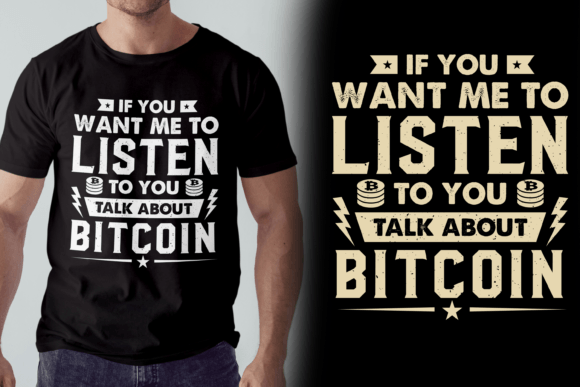
The premise of the design is humorous and culturally relevant, tapping into the cryptocurrency zeitgeist with a witty phrase about listening to bitcoin talks. While the original description notes it is made for screen printing and digital printing, my job was to assess if this machine embroidery design concept could hold up in a hoop. Here is my practical breakdown for fellow crafters, Etsy sellers, and apparel decorators.
First Impressions and Visual Personality
The first thing that strikes you about the Funny Bitcoin T-shirt Design is its bold, declarative nature. It is not subtle. In the world of embroidery, subtlety can sometimes get lost in the stitch, but boldness usually translates well. The layout appears clean and organized, which is a critical factor when converting print-ready files into stitch data. A cluttered design leads to excessive jump stitches and potential thread breaks, so a well-organized structure is a promising start.
The mood is playful yet assertive. It fits perfectly into the niche of novelty apparel, which remains a strong seller for small business owners. When I visualize this on a garment, I see it working best as a statement piece. It does not try to be overly intricate with fine lines that might vanish on textured fabrics. Instead, it relies on strong shapes and clear typography, which are the backbone of successful embroidery project outcomes.
Real-World Application Scenarios
To truly understand the value of this asset, I imagined several real-life scenarios where I would deploy this design. My primary test case was a custom tote bag. Tote bags are popular among crypto enthusiasts and tech workers alike. Using a heavy canvas, the tote bag design potential here is high. The sturdy fabric provides a stable base for the stitching, ensuring that the text remains legible and the shape holds its form without puckering.
I also considered sweatshirt embroidery. A crewneck sweatshirt offers a large, flat area on the chest or back, ideal for a design of this nature. The thickness of the fleece helps hide any minor imperfections in the backing, and the contrast between the thread and the fabric can be manipulated to make the humor pop. For an Etsy seller, offering this as a personalized gift option on hoodies could drive significant engagement, especially during holiday seasons when quirky gifts are in demand.
Another viable avenue is the embroidered patch. Patches are versatile; they can be ironed onto jackets, bags, or hats. If the Funny Bitcoin T-shirt Design is digitized with a satin stitch border, it becomes a durable, standalone product. This expands its use beyond just direct-to-garment applications, allowing crafters to create inventory that is easier to ship and store.
Technical Considerations for Stitching
While the design concept is strong, the transition from print to stitch requires careful attention to detail. Since the source material is described as print-ready, we must assume certain densities that may need adjustment for embroidery. Here are the technical factors I evaluated:
- Stitch Density: Text-based designs require a balance. Too dense, and the fabric will pucker or become stiff. Too light, and the background fabric shows through, ruining the readability. I recommend testing different fill stitch densities on scrap fabric before committing to a final product.
- Thread Colors: The humor relies on clarity. High contrast is essential. If you are stitching on a dark garment, use bright, vibrant thread colors. For light fabrics, darker threads will ensure the message is instantly recognizable. Always check your thread color contrast against your chosen fabric texture.
- Small Details: If the design includes small graphical elements alongside the text, these may need to be simplified. Tiny details often get lost in satins stitch or fill stitch conversions. Inspect small details closely in your digitizing software to ensure they meet the minimum width requirements for your machine.
- Stabilizer Choice: For stretchy fabrics like t-shirts, a cut-away stabilizer is non-negotiable to prevent distortion. For woven fabrics like tote bags or aprons, a tear-away might suffice, but always prioritize stability to maintain the professional look of the finished product.
Where to Use Caution
Not every surface is suitable for this type of graphic. I would advise caution when applying this design to curved surfaces like caps. The curvature can distort the text, making the joke harder to read. Additionally, avoid using this on very thin or delicate fabrics unless you are experienced with lightweight stabilization techniques. The weight of the stitching could cause the fabric to sag or tear over time.
Also, consider the washability. Novelty items are often washed frequently. Ensure that the stitch density is not so high that it creates a hard patch that cracks after multiple wash cycles. Testing the durability on a sample piece is a crucial step for any craft business aiming for repeat customers.
Enhancing Brand Value and Customer Trust
Using a well-executed version of the Funny Bitcoin T-shirt Design can significantly boost the perceived value of your handmade products. Customers associate clean, crisp embroidery with quality. When the stitching is precise and the design is centered correctly, it builds trust. For small shop product lines, consistency is key. If you offer this design across multiple items—such as baby embroidery onesies for the next generation of hodlers, or kitchen towels for the tech-savvy home—you create a cohesive brand identity.
Furthermore, creating printable mockup images or digital previews that show the design stitched out rather than just printed can help buyers visualize the texture and quality. This transparency reduces return rates and increases buyer engagement. It shows that you understand the medium and are not just slapping a graphic onto a shirt.
Final Designer Notes
Before you list this as a digital embroidery file or use it in commercial projects, there are a few housekeeping items to address. First, verify the licensing. Just because a design is available as a graphic does not automatically grant rights for commercial embroidery sales. Confirm whether the license covers physical goods or if it is for personal use only.
Second, check the file formats. Ensure you have the correct embroidery file types compatible with your machine (such as DST, PES, or JEF). If the design is only provided in vector or raster formats, you will need to digitize it yourself or hire a digitizer. Do not assume a print-ready file is stitch-ready.
Finally, test extensively. Run the design on various fabric types and colors. Compare light and dark fabric backgrounds to see how the thread colors interact. This due diligence ensures that when you present your design assets to the market, you are offering a polished, professional product that stands up to scrutiny.
In conclusion, the Funny Bitcoin T-shirt Design has strong potential for embroidery if handled with technical care. It appeals to a specific, passionate audience and offers versatility across various apparel and accessory items. By focusing on stitch quality, proper stabilization, and clear presentation, you can turn this graphic concept into a profitable and engaging part of your creative portfolio.