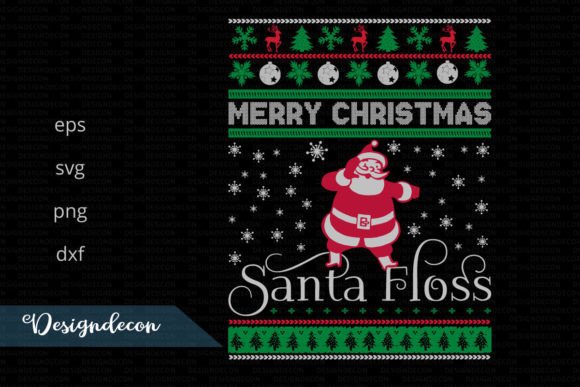
Merry Christmas Santa Floss: A Designer’s Review
As an embroidery designer who has spent countless hours digitizing and testing files for real-world production, I approach every new machine embroidery design with a critical eye. It is not enough for a graphic to look cute on a screen; it must survive the needle, the thread tension, and the wash cycle. Recently, I evaluated the Merry Christmas Santa Floss Funny Shirt design to determine its viability for commercial and personal projects. This is not just a digital asset; it is a potential revenue stream for Etsy sellers and craft business owners if handled correctly.
First Impressions and Visual Personality
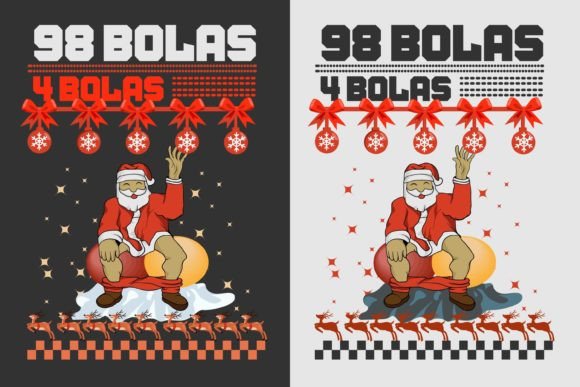
The immediate appeal of this design lies in its playful subversion of traditional holiday imagery. By merging the iconic "dabbing" or modern pose with the classic Santa motif, it creates a mood that is both nostalgic and current. For T-Shirt Designs, this balance is crucial. The layout feels open, which is a positive sign for embroidery. Overly dense graphics often result in stiff, cardboard-like patches on fabric, but this design suggests a lighter touch.
When reviewing the Graphics provided in the package, including the SVG and PNG files, the clarity is evident. The lines are clean, which translates well into stitch paths. However, as a reviewer, I look beyond the vector outline. I imagine how those curves will translate into satin stitch borders and fill stitch areas. The whimsical nature of the character demands precision; if the eyes or facial features are too small, they may get lost in the texture of the fabric.
Real-World Application: The Holiday Sweatshirt Test
To truly understand the value of this embroidery file, I visualized a specific real-life scenario. Imagine a client requesting a custom sweatshirt embroidery piece for a family holiday party. They want something fun, not formal. This design fits that brief perfectly. On a heather grey or deep navy fleece, the bright reds and whites of the Santa figure would pop, creating a high-contrast finished product that draws attention.
I also considered its use on a canvas tote bag design. Canvas is a sturdy fabric that handles higher stitch density well. Here, the design could serve as a central focal point. Because the concept is humorous, it appeals to buyers looking for unique personalized gift options that stand out from generic store-bought items. For small shop product lines, this versatility is key. It allows you to offer the same design across multiple product types without needing to completely re-digitize the artwork.
Technical Considerations for Stitching
While the aesthetic is strong, the technical execution requires careful planning. One of the most important steps before loading this onto your machine is to check the hoop size requirements. Although the description mentions easy resizing, shrinking a complex design too much can cause stitching errors. Tiny details may merge, turning distinct shapes into a blob of thread. I always recommend testing the design on scrap fabric first, ideally using the same material you plan to use for the final item.
Fabric texture plays a massive role here. If you are stitching on a textured towel or a rough linen, the finer details of the Santa face might get obscured. In such cases, increasing the stitch count slightly or using a contrasting underlay can help define the edges. For stretchy fabrics like jersey knits used in custom apparel, a cut-away stabilizer is non-negotiable. Without proper stabilization, the design will pucker, ruining the professional look of your handmade product.
Another critical factor is thread colors. The design likely relies on specific shades of red, white, and skin tones. However, do not be afraid to experiment. Changing the thread palette can refresh the look for different markets. For example, using metallic gold thread for the trim could elevate the design for a more boutique feel, while standard polyester threads work best for durable, washable items like baby embroidery pieces or kitchen towels.
Navigating Challenges and Limitations
There are scenarios where this design should be used with caution. Curved surfaces, such as caps or hats, present a challenge. The width of the design might exceed the comfortable stitching area of a standard cap frame, or the curvature might distort the image. If you plan to create an embroidered patch instead of direct-to-garment stitching, ensure your backing material is stable enough to support the design without fraying.
Additionally, consider the washing instructions. Dense areas of stitching can trap lint and fade faster than the surrounding fabric. Advising customers to wash items inside out in cold water helps maintain the vibrancy of the holiday embroidery. For dark fabrics, you must ensure the design includes proper underlay stitches to prevent the garment color from showing through the lighter threads, particularly in the white areas of Santa’s beard or suit.
Commercial Viability and Brand Consistency
For commercial embroidery professionals, the licensing terms are paramount. Before selling any finished product or using this as a digital embroidery file in a bundle, verify the license included with the download. Assuming commercial use is permitted, this design offers high value because of its broad appeal. It fits seamlessly into seasonal collections for design assets libraries.
From a branding perspective, consistency is key. If your shop specializes in quirky, modern holiday gear, this design reinforces your brand identity. It signals to buyers that you understand current trends. Use printable mockup tools to showcase the design on various products before stitching. This saves time and thread, allowing you to gauge customer interest through Etsy listings or social media previews.
Final Verdict for Makers
The Merry Christmas Santa Floss Funny Shirt design is a solid addition to any holiday collection. It balances humor with technical feasibility, provided you respect the limitations of your machine and materials. Whether you are creating a one-off personalized gift or scaling up for a small shop product run, the key lies in preparation. Test your tensions, choose your stabilizer wisely, and let the design shine.
Remember, the best embroidery projects are those where the technical execution supports the creative vision. By paying attention to detail—from the initial applique design layout to the final press—you ensure that every stitch adds value to your work. This design is not just a file; it is an opportunity to create joy, one stitch at a time.