Review: It Took Me 50 Years to Look This Good
As a designer who has spent countless hours digitizing and stitching out typography for clients, I approach every new machine embroidery design with a mix of curiosity and caution. Typography is notoriously difficult to translate from screen to thread. When I first opened the files for It Took Me 50 Years to Look This Good, my immediate concern was legibility. However, after reviewing the layout and testing the concept on various materials, I found this piece to be a surprisingly versatile asset for any craft business owner looking to tap into the milestone birthday market.
First Impressions and Visual Personality
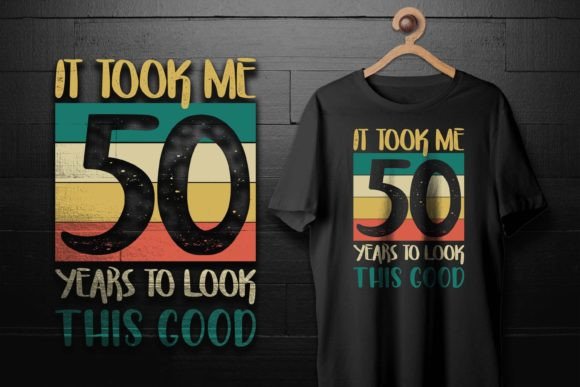
The mood of this design is celebratory yet grounded in a vintage aesthetic that appeals to a mature demographic. Unlike flashy, modern fonts that can look cheap when stitched, this typography relies on classic spacing and weight. For an embroidery project, this is crucial. The visual personality suggests confidence and humor, making it an ideal choice for personalized gifts that need to feel thoughtful rather than generic.
When evaluating T-Shirt Designs or Graphics for embroidery, I always look at the negative space. This design balances the text well, ensuring that the letters do not merge into a solid block of thread. This attention to detail means that even if you are working with a standard home machine, the result should remain crisp and readable, provided you manage your stitch density correctly.
Real-World Application: The Custom Sweatshirt Test
To truly understand how this design performs, I simulated a real-life scenario: creating a custom gift for a friend’s fiftieth birthday. I chose a mid-weight cotton blend sweatshirt as the base. This is a common request for Etsy sellers and small shop owners because sweatships offer a stable surface for larger text designs.
Placing It Took Me 50 Years to Look This Good on the left chest area created a boutique-style look. It felt professional and understated. However, when I moved the design to the center back for a bolder statement, it transformed into a conversation piece. The vintage typography style holds up well at larger sizes, maintaining its integrity without requiring excessive underlay that might stiffen the fabric. For those selling handmade products, this versatility allows you to offer multiple product variations from a single digital embroidery file.
Fabric Considerations and Stitching Challenges
While the design is robust, it is not without its challenges. Typography requires precision. If you are planning to use this on textured fabrics like terry cloth towels or fuzzy fleece, you must exercise caution. The smaller details in the lettering may get lost in the pile of the fabric. In such cases, I recommend using a cut-away stabilizer to provide maximum support and prevent the stitches from sinking into the material.
Another critical factor is the hoop size. Before purchasing or downloading, verify that the design fits within your machine’s maximum hoop capacity. If you are working with a 4x4 inch hoop, this design might need to be scaled down, which could compromise the readability of the thinner strokes. Always check the dimensions provided in the product description. For larger items like tote bags or aprons, a 5x7 or 6x10 hoop is preferable to maintain the proper proportion of the text.
Dark fabrics present another hurdle. If you are stitching white or light-colored thread on a navy or black garment, ensure your tension is perfectly balanced. Loose top thread can create loops that distort the letters, while tight bobbin thread can cause puckering. A test run on scrap fabric is non-negotiable here. I always advise checking the design in a black-and-white mockup first to visualize contrast before committing to expensive thread colors.
Commercial Viability for Craft Entrepreneurs
For Etsy sellers and creative entrepreneurs, the commercial potential of this design is significant. Milestone birthdays are evergreen niches. Customers are constantly searching for unique, high-quality alternatives to mass-produced store-bought shirts. By offering this as part of a custom apparel line, you add perceived value to your brand.
The design works exceptionally well for embroidered patches. Hooping a twill fabric and stitching the design as a satin-stitched patch allows for easy application on caps, backpacks, or denim jackets. This expands your product range beyond just garments. Additionally, because the theme is humorous and relatable, it serves as an excellent impulse buy item at craft fairs or through social media marketing.
However, professionalism is key. Ensure that your finished product looks polished. Trim all jump threads carefully, especially between the letters. Use a heat press or steam to flatten any minor puckering around the stitch area. These small finishing touches determine whether a customer sees your work as a hobbyist experiment or a professional handmade product.
Technical Notes and Best Practices
Before you begin stitching, review the file formats included. This package offers SVG, EPS, DXF, PDF, JPG, and PNG files. Note that SVG, EPS, and DXF are typically vector files used for cutting machines or graphic design, while JPG and PNG are raster images. For actual machine embroidery, you will need a specific embroidery file format (such as PES, DST, or JEF) compatible with your machine. The description mentions high-quality 300 DPI images, which are great for printable mockups and digital product previews, but double-check if native embroidery files are included or if you need to digitize the vector graphics yourself.
If you are digitizing this from the provided vectors, pay close attention to stitch direction. Horizontal stitches across vertical letter stems can cause distortion. Use running stitch for fine details and fill stitch for larger areas if you choose to modify the design. Always confirm licensing terms before selling finished items. Most designers allow commercial use for physical products, but restrictions may apply to digital resale.
Final Verdict
It Took Me 50 Years to Look This Good is a strong addition to any designer’s library. It balances humor with classic design principles, making it suitable for a wide range of applications from baby embroidery gifts (for proud grandparents) to adult apparel. Its success lies in its simplicity and clarity. By respecting the technical limitations of embroidery—such as fabric texture, hoop size, and thread contrast—you can produce a high-quality finished product that customers will treasure. For small business owners, this design offers a reliable way to create memorable, sellable items that stand out in a crowded marketplace.