Reviewing Dad is My Name Archery is My Game Tshirt
As a designer who spends half my life digitizing and the other half staring at hoop frames, I have learned that not every Graphics asset translates well to thread. When I first pulled up the Dad is My Name Archery is My Game Tshirt file, I was looking for more than just a cute phrase. I was evaluating its potential as a viable machine embroidery design for real-world applications. The initial impression is striking. The layout balances humor with a clear thematic identity, making it an ideal candidate for personalized gifts and custom apparel.
First Impressions and Visual Personality
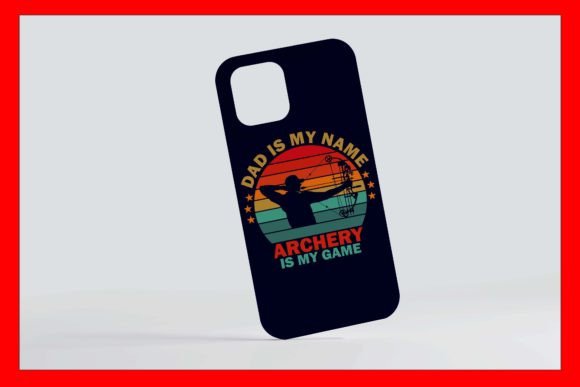
The mood of this design is playful yet masculine, which can be a tricky balance to strike in embroidery. The typography suggests a casual, approachable vibe, while the archery elements add a layer of hobbyist pride. For an Etsy seller or a craft business owner, this visual personality is gold. It speaks directly to a specific niche: fathers who love the outdoors and have a sense of humor. The shape and detail level appear manageable, avoiding the excessive complexity that often leads to thread breaks or puckering on home machines.
When considering this as part of your design assets, think about the end user. This is not just a graphic; it is a statement piece. The contrast between the text and the iconography needs to hold up under the texture of thread. In my experience, designs that rely too heavily on fine lines can get lost in the fabric weave. However, the bold nature of this concept suggests it will maintain clarity even after stitching.
Real-World Application: The Custom Sweatshirt Test
To truly evaluate the Dad is My Name Archery is My Game Tshirt, I imagined a specific scenario. A client wants a custom Father’s Day gift. They have chosen a heavyweight cotton blend sweatshirt. This is a common request for small shop product lines. The challenge here is the fabric texture. Heavyweight fabrics require careful attention to stabilizer choice and stitch density.
If I were stitching this onto a sweatshirt, I would opt for a cut-away stabilizer to prevent distortion over time. The design’s layout seems wide rather than tall, which fits perfectly across the chest of a adult-sized garment. It does not crowd the neckline or dip too low toward the hem. For a personalized gift, this placement ensures high visibility without compromising comfort. The humor lands immediately, making it a conversation starter at family gatherings or archery ranges.
Versatility Across Product Lines
Beyond sweatshirts, this design has legs. Consider a canvas tote bag design. The sturdy nature of canvas handles dense stitching well. Here, the fill stitch areas would need to be checked for density to avoid creating a stiff patch that ruins the drape of the bag. Alternatively, imagine this as an embroidered patch on a denim jacket or a cap. Caps are curved surfaces, which distort designs if they are too wide. Since this design appears to have a horizontal flow, it might need scaling down significantly for a standard baseball cap front panel.
For baby embroidery projects, such as a onesie for a grandchild to gift back to dad, the scale must be reduced. However, one must be cautious. Tiny lettering can become illegible if the thread colors do not contrast sharply with the fabric. A navy blue shirt with black thread would fail; a white shirt with dark green or brown thread would succeed. Always test your embroidery file on scrap fabric before committing to the final garment.
Technical Considerations for Embroiderers
While the source description mentions this as an SVG cutting file within Print Templates, those of us in the embroidery world know that vector graphics do not automatically equal stitch files. If you are converting this graphic into a digital embroidery file, you must pay attention to stitch types. The text likely requires a satin stitch for crisp edges, while the archery elements might benefit from a combination of satin and running stitches for definition.
Stitch density is critical. Over-digitizing can lead to a cardboard-like feel, especially on thinner fabrics like t-shirts. Under-digitizing leads to gaps where the fabric shows through. If you are purchasing a pre-made embroidery file based on this graphic, check the recommended hoop size. A 5x7 inch hoop is standard for this type of chest design, but always confirm compatibility with your specific machine.
Fabric and Color Challenges
Dark fabrics present a unique challenge. If you are stitching on a black or navy garment, you cannot use dark thread for the entire design. You must incorporate light-colored threads or use an underlay technique that ensures the base fabric does not peek through the lighter top stitches. Conversely, on light fabrics, ensure your thread colors are vibrant enough to stand out. Muted tones may wash out the impact of the humorous message.
Textured fabrics like terry cloth or fleece require additional care. The loops in the fabric can swallow small details. For these materials, consider adding a topping stabilizer to keep the stitches sitting on top of the pile. This ensures the finished product looks professional and clean, rather than messy and obscured.
Commercial Viability and Brand Trust
For commercial embroidery professionals, consistency is key. Using a design like Dad is My Name Archery is My Game Tshirt can help build a recognizable brand aesthetic if used consistently across seasonal collections. It adds value to the handmade product by offering something specific and relatable. Customers trust designs that look intentional and well-executed. A sloppy stitch-out damages that trust instantly.
Before listing this as a small shop product, verify the licensing terms. Just because a graphic is available as an SVG does not mean it is cleared for commercial embroidery sales. Always read the fine print. If the license allows for physical goods but not digital resale, you can sell the stitched shirt but not the file itself. This distinction is vital for maintaining ethical business practices and avoiding legal issues.
Final Designer Notes
- Always run a test stitch on similar fabric weight and color before starting the final project.
- Check the contrast between your thread colors and the fabric background using a black-and-white mockup first.
- Ensure your hoop size accommodates the full width of the design without trimming essential elements.
- Use appropriate stabilizers: tear-away for stable woven fabrics, cut-away for knits and stretchy materials.
- Inspect small details in the archery graphic to ensure they are not too fine for the needle size you are using.
- Confirm whether the source file is a true embroidery format or requires digitizing from the provided SVG.
In conclusion, the Dad is My Name Archery is My Game Tshirt concept offers strong potential for holiday embroidery and year-round custom apparel. With careful attention to technical execution and material selection, it can become a standout item in any maker’s portfolio. It is not just about putting thread on fabric; it is about creating a personalized gift that resonates emotionally with the recipient. Keep your tension balanced, your stabilizers ready, and your creativity sharp.