Reviewing the Funny T-shirt Design Vector for Stitching
As a designer who has spent countless hours digitizing and testing embroidery files, I approach every new asset with a mix of curiosity and caution. We have all been there: you find a Funny T-shirt Design Vector that looks hilarious on screen, only to realize it turns into a tangled mess of thread once it hits the fabric. Today, I am breaking down this specific design from a practical, hands-on perspective. I am not just looking at the aesthetics; I am evaluating how this graphic translates from a digital file into a tangible, stitched reality for real-world projects.
First Impressions and Visual Personality
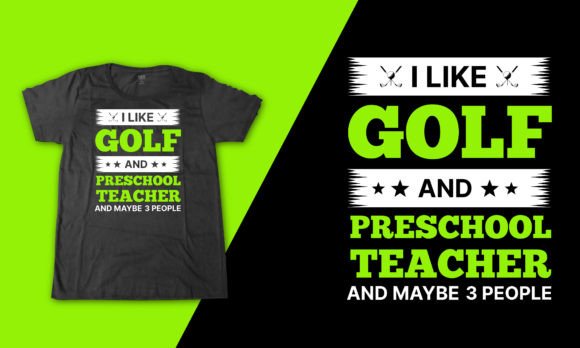
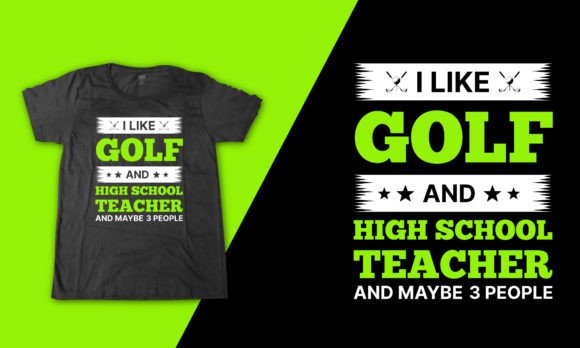
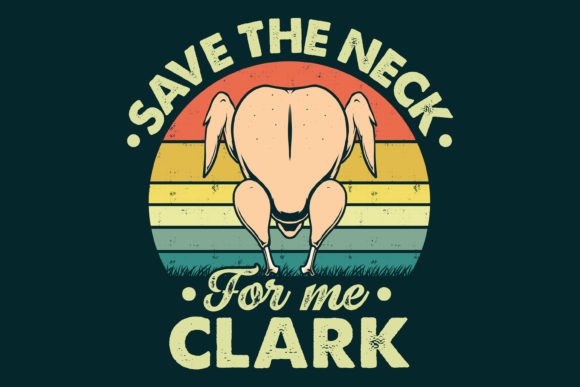
The immediate appeal of this Funny T-shirt Design Vector lies in its bold, uncomplicated layout. Humor in embroidery is a delicate balance. If the text is too small or the graphics too intricate, the joke gets lost in the stitch density. This design, however, seems to prioritize clarity. The shapes are distinct, and the typography appears robust enough to withstand the natural expansion that occurs when thread fills a space. It creates a mood that is lighthearted and approachable, making it an ideal candidate for casual wear and novelty gifts.
When I visualize this on a garment, I do not see a high-fashion runway piece. Instead, I see a bestseller for a local craft fair or a standout item in an Etsy shop. The visual personality is friendly and unpretentious. For embroidery designers and small business owners, this is crucial. You want a design that communicates its message instantly, even from a few feet away. This vector delivers that immediate recognition, which is vital for products like tote bags or aprons where the wearer is often moving around.
Real-World Application and Versatility
Let us talk about where this design actually belongs. While the product description highlights t-shirts, my experience suggests that Funny T-shirt Design Vector has broader potential if handled correctly. I recently considered a similar humorous quote for a custom embroidered tote bag. The key was scaling. On a canvas tote, the design needs to be large enough to be legible but not so dense that it warps the fabric. This vector’s clean lines make it suitable for such applications.
For sweatshirt embroidery, this design would perform exceptionally well. The thicker fabric of a hoodie or crewneck provides a stable base for the fill stitches required by the larger elements of the graphic. It also works beautifully for personalized gifts. Imagine this stitched onto a kitchen towel for a housewarming present or on a baby onesie for a shower gift. The humor adds a layer of charm that plain monograms lack. However, for baby items, you must ensure the backing is soft and the stitch density is not too high, as comfort is paramount.
If you are an apparel decorator or run a boutique, this asset can serve as a cornerstone for a seasonal collection. It fits naturally into holiday embroidery themes, especially if paired with appropriate thread colors. For instance, using bright, contrasting threads can enhance the comedic effect, while muted tones might give it a more vintage, understated look. The versatility of the vector format allows you to experiment with these variations before committing to the stitch-out.
Navigating Technical Challenges
Here is where the rubber meets the road. A vector file is not a magic wand. The product description lists AI, EPS, SVG, DXF, and PNG formats. This is excellent for printing, but for machine embroidery, you will need to digitize this vector or convert it using reliable software. Do not assume the vector will automatically translate into a perfect embroidery file. You must pay attention to stitch density. Large areas of solid color in the original graphic may require careful programming to avoid puckering.
Be cautious with small hoop sizes. If you attempt to shrink this design to fit a 4x4 inch hoop for a cap or a small patch, you risk losing the legibility of the text. Tiny lettering is the enemy of embroidery. If the jokes rely on specific words, ensure they remain readable after stitching. Test the design on scrap fabric first. This is non-negotiable. Check how the satin stitch handles the curves and how the fill stitch behaves on different fabric textures. Stretchy fabrics, like those used in t-shirts, require a cut-away stabilizer to prevent distortion, while woven fabrics like tea towels might do well with a tear-away.
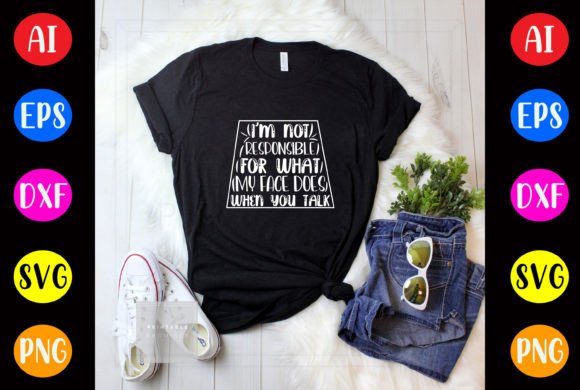
Dark fabrics present another challenge. If the design includes fine details, ensure your thread colors have enough contrast. A dark gray thread on a black shirt will vanish. Use your PNG transparent file to create mockups in black and white to check for value contrast before you even thread the needle. This simple step can save you hours of frustration and wasted materials.
Commercial Value and Brand Consistency
For Etsy sellers and creative entrepreneurs, the quality of your finished product directly impacts customer trust. A sloppy stitch-out can damage your brand reputation, while a crisp, clean execution can lead to repeat buyers. This Funny T-shirt Design Vector, when properly digitized and stitched, enhances the perceived value of your handmade product. It shows attention to detail and a sense of fun, which are key drivers for buyer engagement in the niche of custom apparel and novelty gifts.
However, you must verify the licensing terms. The description mentions "commercial embroidery" and selling finished items, but it is essential to confirm whether the license covers digital resale or only physical goods. Most designers allow you to sell the physical embroidered item, but reselling the digital file itself is usually prohibited. Always read the fine print to protect your craft business.
Final Verdict for Makers
In conclusion, this Funny T-shirt Design Vector is a strong contender for your next project, provided you respect the technical limitations of embroidery. It is not just a graphic; it is a blueprint for a conversation starter. Whether you are creating embroidered patches for a club, custom aprons for a restaurant, or holiday gifts for family, this design offers a solid foundation. Just remember to test your stabilizer choices, adjust your stitch density for the fabric type, and always prioritize readability over size. With the right preparation, this asset can become a staple in your portfolio of T-Shirt Designs and Graphics, delivering both laughs and professional results.