Reviewing the Motivational Typography T Shirt Design for Embroidery
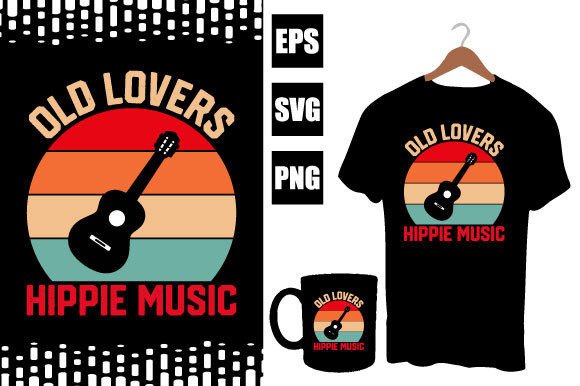
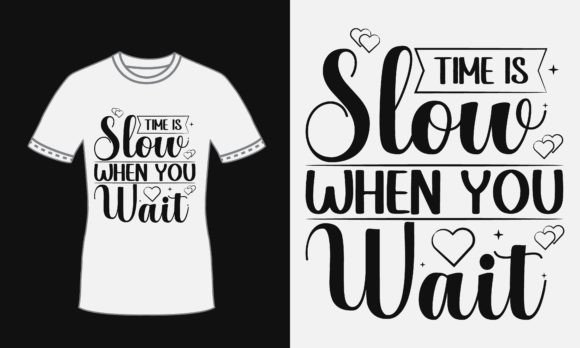
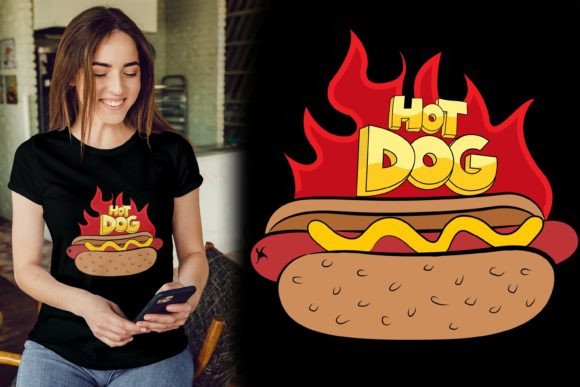
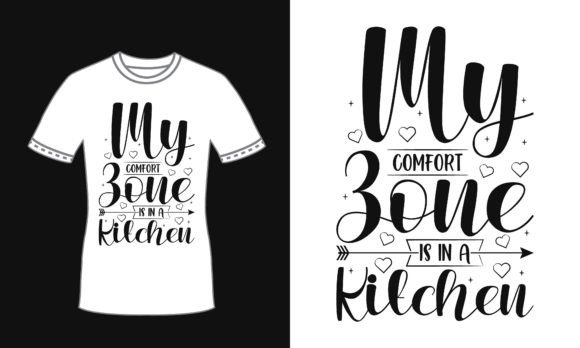
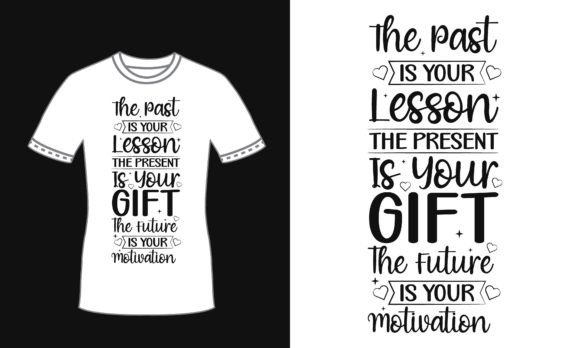
As a designer who has spent countless hours staring at digitizing software and watching needles fly across fabric, I have learned that not every graphic translates well into thread. When I first pulled up the Motivational Typography T Shirt Design, my initial reaction was one of cautious optimism. Typography is notoriously difficult in embroidery; what looks crisp on a screen can easily turn into a muddy mess of stitches if the letter spacing is too tight or the font weight is inconsistent. However, this particular piece from the Print Templates category caught my eye because of its bold, clean lines and balanced composition.
First Impressions and Visual Personality
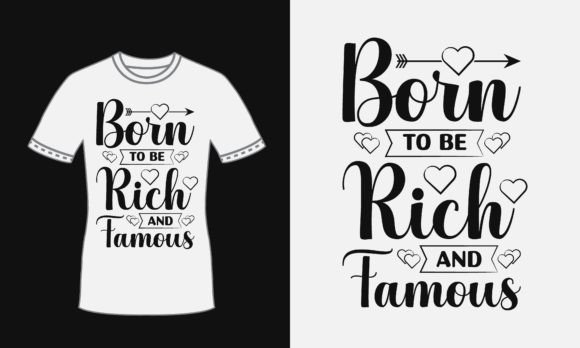
The design exudes a playful yet confident mood. It is not overly ornate, which is a significant advantage for machine embroidery. The layout suggests a modern, sans-serif influence with perhaps a touch of hand-drawn charm, making it versatile enough for various demographics. Whether intended for kids, men, or women, the universal appeal of motivational messaging combined with a funny twist creates an immediate emotional connection. For an embroidery project, this means the design does not need to shout to be heard. Its visual personality relies on clarity and rhythm rather than excessive detail.
From a technical standpoint, the shapes appear solid. There are no hairline strokes that would require fragile running stitches likely to break during washing. Instead, the letters seem substantial enough to support satin stitch borders or moderate fill stitch interiors. This structural integrity is crucial when considering how the design will perform on different materials.
Real-World Application: Beyond the T-Shirt
While the product title specifies a t-shirt, my mind immediately went elsewhere. I recently worked on a custom order for a boutique client who wanted unique tote bag design options for their spring collection. I imagined placing this Motivational Typography T Shirt Design on a heavy canvas tote. The contrast between the structured typography and the textured fabric would create a high-end, artisanal look. It would not just be a bag; it would be a statement piece.
Consider also the potential for sweatshirt embroidery. A crewneck sweatshirt provides a stable, thick surface that handles stitch density well. Placing this motivational quote on the chest or even larger on the back could transform a basic garment into a bestseller for an Etsy seller. The humor embedded in the typography adds value, turning a simple piece of clothing into a conversation starter. For custom apparel businesses, this kind of design asset is gold because it appeals to the gift-giver looking for something personal yet universally relatable.
I also see strong potential in the nursery market. Baby embroidery requires designs that are soft in appearance but durable in construction. If scaled down appropriately, this design could work beautifully on a baby onesie or a burp cloth. The motivational aspect takes on a sweeter tone when applied to infant items, perhaps encouraging parents or celebrating the new arrival. However, scaling down requires careful attention to detail, which leads me to my next point.
Technical Considerations and Stitching Clarity
Before loading any digital embroidery file into your machine, you must assess the stitch density. Typography designs often suffer from "pull" issues, where the fabric gathers between letters due to tension. If this design uses heavy fill stitches, it may require a cut-away stabilizer to maintain shape, especially on stretchy fabrics like jersey knits. For woven fabrics like cotton twill used in caps or aprons, a tear-away stabilizer might suffice, but testing is non-negotiable.
One critical area to watch is the interior of closed letters like 'O', 'A', or 'D'. In small hoop sizes, these areas can become clogged with thread if the digitizer did not leave adequate negative space. I recommend stitching out a test sample on scrap fabric similar to your final product. Check if the small details hold up. If the text becomes illegible at smaller sizes, you may need to simplify the design or increase the overall dimensions.
Thread color choice plays a massive role in the success of this design. On dark fabrics, a light-colored thread will pop, but you must ensure the underlying fabric does not show through the stitches. Using an underlay stitch effectively is key here. Conversely, on light fabrics, dark threads provide sharp contrast. I always advise creating black and white mockups to verify that the design’s silhouette remains recognizable without relying on color alone. This ensures your finished product looks professional regardless of the customer’s color preference.
Commercial Viability and Brand Consistency
For craft business owners and small shop product creators, consistency is vital. This design fits seamlessly into a broader brand aesthetic that values positivity and humor. It enhances brand consistency because it feels intentional and curated rather than generic. When customers see such clear, well-executed typography, their trust in your craftsmanship increases. It signals that you care about the details, which directly impacts customer trust and repeat business.
Moreover, this design is highly giftable. Holiday embroidery projects often rely on seasonal motifs, but motivational quotes are timeless. They make excellent gifts for graduations, birthdays, or just because. By offering this design on various items like embroidered patch applications, pillow covers, or kitchen towels, you expand your market reach. A patch allows customers to apply the design to existing jackets or bags, adding a layer of customization that many buyers love.
Practical Designer Notes
- Test on Scrap Fabric: Always stitch a test run on the same type of fabric you intend to use for the final product to check for puckering or registration issues.
- Check Thread Contrast: Ensure your thread colors stand out against the fabric background. Poor contrast can ruin the readability of typography.
- Review Stitch Density: High density can cause fabric distortion. Adjust settings or use appropriate stabilizers to mitigate this.
- Confirm Hoop Size: Make sure the design fits within your machine’s hoop capabilities without needing complex re-hooping techniques.
- Inspect Small Details: Zoom in on the digitized file to check for tiny jumps or unnecessary trims that could slow down production or cause thread breaks.
- Verify Licensing: Since this is listed under Graphics and Print Templates, confirm whether the license permits commercial use for physical embroidered goods. Some digital assets are restricted to print-on-demand only, so clarify this before selling finished items.
In conclusion, the Motivational Typography T Shirt Design is a robust asset for any embroidery enthusiast or professional. Its strength lies in its simplicity and emotional resonance. While it requires careful technical handling regarding stabilizer choice and stitch density, the payoff is a high-quality, engaging product that resonates with buyers. Whether you are creating a personalized gift for a friend or stocking your online store with fresh inventory, this design offers the versatility and professional polish needed to succeed in today’s competitive handmade market.