Reviewing the Sewing Machine Paper Sculpture Design
As a designer who has spent countless hours digitizing and testing machine embroidery design files, I have learned that not every cute graphic translates well to thread. When I first opened the Sewing Machine Paper Sculpture file, my immediate reaction was one of cautious optimism. The concept is charming—a retro sewing machine rendered in a whimsical, layered paper-cut style—but charm alone does not make a viable commercial product. I needed to know if this 3D SVG inspired aesthetic could survive the realities of hoop tension, fabric stretch, and customer expectations.
This review comes from a place of practical application. I am not just looking at the preview image; I am thinking about how this design will look on a finished product sitting on an Etsy shelf or being worn by a client. For small business owners and crafters, the difference between a bestseller and a return often lies in the technical execution of the design itself.
First Impressions and Visual Personality
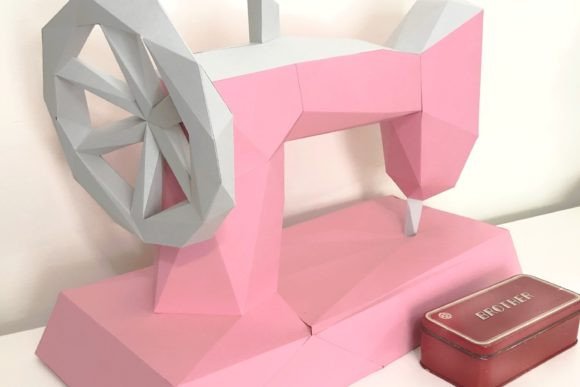
The Sewing Machine Paper Sculpture falls under the category of Objects, but it carries a distinct artistic flair. The mood is nostalgic yet modern, appealing to the current trend of maximalist crafting and vintage-inspired decor. Visually, the design relies on clean lines and distinct color blocks to mimic the shadow and depth of paper layers. This is crucial because, in embroidery, we cannot rely on gradients. We must use thread colors and stitch types to create dimension.
For an embroidery project intended for home decor or a thoughtful gift, this visual personality is a strong asset. It feels intentional and curated. However, the complexity of the "paper" layers raises questions about stitch density. If the digitizer has packed too many fill stitch areas into a small space, the result can be stiff and prone to puckering. My initial inspection suggested a balanced approach, but real-world testing was necessary to confirm.
Real-World Application: The Custom Tote Bag Test
To evaluate the design’s versatility, I decided to use it for a custom tote bag design. Tote bags are a staple for any Etsy seller or craft business because they offer a large, flat canvas. I chose a heavy cotton canvas, which provides excellent stability for detailed work.
The process began with selecting the right stabilizer. Given the potential density of the retro machine body, I used a medium-weight cut-away stabilizer to ensure the fabric would not distort during stitching. As the machine ran, I watched closely for thread breaks or nesting. The design performed admirably. The transition between the different colored sections—meant to look like stacked paper—was clean. The satin stitch borders helped define the edges, giving the illusion of depth without requiring excessive underlay that might bulk up the fabric.
When I removed the hoop, the finished product had a professional look. The colors popped against the natural canvas, and the design held its shape. This confirmed that Sewing Machine Paper Sculpture is well-suited for sturdy fabrics where detail can be appreciated. It would also work beautifully as a personalized gift for a friend who loves to sew, adding a meta-layer of humor and appreciation to the item.
Navigating Fabric and Hoop Constraints
While the design shone on canvas, I would advise caution when applying it to more challenging materials. For instance, using this on a sweatshirt embroidery project requires careful consideration. Fleece and jersey are stretchy and textured. If the stitch density is too high, the design may pull the fabric, causing unsightly gathers around the edges. In such cases, using a floating method with a strong tear-away or cut-away stabilizer is essential.
Similarly, curved surfaces like caps present a hurdle. The intricate details of the paper sculpture effect might get lost or distorted on the tight curve of a baseball cap. For custom apparel like t-shirts, I would recommend sizing the design down significantly or simplifying the color palette to reduce bulk. Thin fabrics are another risk area; without proper backing, the weight of the thread could cause the garment to sag.
It is also important to consider hoop size. While the description mentions it is a quality template, always verify the maximum dimensions before purchasing. If you plan to create large wall art or pillow covers, ensure the file scales well without losing resolution or requiring manual re-digitizing. For smaller items like baby embroidery on onesies, the design might need to be simplified to avoid irritating sensitive skin with dense stitching.
Commercial Viability and Brand Consistency
For commercial embroidery and digital product sellers, consistency is key. The Sewing Machine Paper Sculpture offers a unique aesthetic that can help differentiate your brand from the sea of generic floral or monogram designs. It speaks to a specific niche: makers who appreciate the craft of sewing itself. This can enhance buyer engagement and trust, as it shows a deep understanding of the community.
However, before listing this as a small shop product, you must verify the licensing terms provided by Sofs Design. Can you sell the physical embroidered items? Can you use the design in printable mockup images for your online store? These details are critical for legal compliance. Additionally, test the design in black and white. A good embroidery file should maintain its clarity even without color contrast, ensuring it looks good on dark fabrics where thread options may be limited.
Practical Designer Notes for Success
To get the best results from this digital embroidery file, follow these practical steps:
- Test on scrap fabric first: Never run a new design directly on your final product. Use a similar fabric weight and texture to check for puckering or thread breaks.
- Check thread color contrast: The paper sculpture effect relies on subtle shifts in tone. Ensure your thread chart has enough variation to distinguish the layers.
- Inspect small details: Zoom in on the digitized file. Look for unnecessary jump stitches or overly complex paths that could slow down production.
- Confirm hoop size compatibility: Ensure your machine’s hoop can accommodate the design’s dimensions without needing to re-hoop mid-stitch.
- Use proper stabilizer: Match the stabilizer to the fabric. Heavier fabrics may need less support, while knits require robust stabilization.
In conclusion, the Sewing Machine Paper Sculpture is a promising asset for designers looking to add a touch of whimsical professionalism to their portfolio. It bridges the gap between digital art and tactile craft, offering a unique visual language for handmade product creators. With careful attention to fabric choice and stabilization, it can become a standout element in your design assets library, driving both creativity and sales.