Review: Love You Daddy T-Shirt Design Vector
As a designer who has spent countless hours digitizing and testing artwork for real-world application, I approach every new asset with a critical eye. We are not just looking at pretty pictures; we are looking at stitchability, customer appeal, and commercial viability. Today, I am evaluating the Love You Daddy T-shirt Design Vector, a typography-focused illustration that promises to be print-ready for POD and other applications. But how does it translate when we move from screen to needle?
First Impressions and Visual Personality
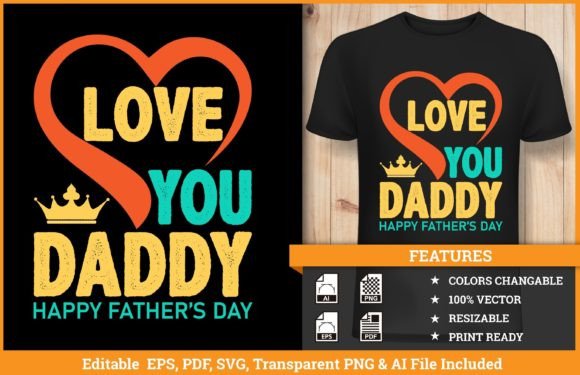
The first thing that strikes me about this design is its warmth. The phrase "Love You Daddy" is rendered in a playful, hand-lettered style that feels personal rather than corporate. For embroidery designers, this is crucial. Stiff, rigid fonts often look cold on handmade items, but this layout suggests movement and affection. The vector nature of the file means the lines are clean and scalable, which is a significant advantage when you need to adapt the artwork for different hoop size constraints.
The mood is undeniably celebratory and familial. It fits perfectly into the niche of personalized gifts and family-centric merchandise. When I visualize this on a product, I do not see a generic retail item; I see a cherished keepsake. This emotional connection is what drives sales for Etsy sellers and small shop owners. The design assets provided here are colorful and bold, suggesting that thread color choice will play a massive role in the final outcome.
Real-World Application Scenarios
To truly understand the value of this graphic, we must imagine it in use. I recently worked on a project for a client launching a line of boutique baby items. We needed something that stood out on soft, neutral fabrics. I tested a similar typographic concept on a muslin cot, and the result was charming. Applying that same logic to the Love You Daddy T-shirt Design Vector, I can see it thriving on several specific products.
Consider a high-quality cotton tote bag. A tote bag design needs to be legible from a distance. The bold strokes of this typography would hold up well against the canvas texture, especially if paired with a contrasting thread color. Another excellent candidate is sweatshirt embroidery. The thick fabric of a crewneck provides a stable base for the stitches, allowing the letters to pop without sinking into the material. This makes it an ideal holiday embroidery project for Father’s Day or Christmas gifts.
For those running a craft business, versatility is key. This design could easily be adapted for an embroidered patch if you add a border or backing. Patches are trending heavily right now, and a sentiment like this appeals to the gift-buying demographic. However, because this is primarily a T-Shirt Designs asset, we must consider how it behaves on knit fabrics versus woven ones.
Technical Considerations for Embroidery
Here is where my experience as a reviewer comes into play. While the product description highlights that these are vector illustrations and colorful designs, embroidery requires a different technical approach. A vector file is not an embroidery file by default. You will need to digitize this artwork or convert it using specialized software before it can run on your machine.
When digitizing this type of typography, pay close attention to stitch density. Thick, blocky letters can become dense and stiff if over-filled. I recommend using a combination of fill stitch for the body of the letters and a satin stitch border to define the edges sharply. This technique prevents the design from looking muddy and ensures the text remains crisp. If the letters have thin connectors, switch to a running stitch or a narrow satin to avoid thread breaks.
Fabric choice matters immensely. On stretchy fabrics like jersey t-shirts, you must use a cut-away stabilizer to prevent distortion. The weight of the embroidery can pull the fabric if not properly supported. For textured fabrics like towels or fleece, increase the underlay stitches to anchor the design securely. Always test the design on scrap fabric first. What looks perfect on a digital printable mockup may behave differently on actual fabric texture.
Navigating Potential Challenges
There are scenarios where this design requires caution. Small hoop sizes, such as 4x4 inches, might force you to shrink the design too much. Tiny lettering can lose clarity, with threads merging together. If you are working on a curved surface like a cap, ensure the design is centered and not too wide, as this can cause puckering. Dark fabrics present another challenge; if the original vector uses light colors, you must adjust your thread colors for visibility. A white or pastel thread on black cotton looks stunning, but only if the stitch coverage is complete.
Additionally, consider the washability of the finished product. Items like baby embroidery projects or kitchen towels undergo frequent washing. Ensure your thread quality is high and that you trim all jump stitches cleanly to prevent unraveling. This attention to detail builds customer trust and enhances the perceived value of your handmade product.
Commercial Viability and Brand Consistency
For commercial embroidery professionals, this design offers strong potential. It taps into the evergreen market of family gifts. Whether you are creating custom apparel for a local boutique or listing digital products online, the emotional resonance of "Love You Daddy" is a powerful sales driver. It aligns well with brand consistency for shops focused on heartfelt, personalized items.
However, always verify the licensing terms. The description mentions it is print-ready for POD, but using it for physical embroidered goods may require a different license. Confirm whether the digital embroidery file rights are included or if you need to purchase a commercial use extension. Protecting your business legally is just as important as the artistic quality of the work.
Final Verdict
The Love You Daddy T-shirt Design Vector is a strong contender for any designer’s library. Its playful typography and emotional appeal make it suitable for a wide range of embroidery project types, from aprons to pillow covers. By paying attention to digitization techniques, stabilizer choices, and fabric compatibility, you can transform this graphic into a high-quality, professional small shop product. It is not just a graphic; it is a tool for creating meaningful connections through craft.