Review: Lying Cat with Funny Face Expression
As a designer who spends half my life staring at digitized files and the other half pulling thread out of bobbin cases, I have learned to be skeptical of cute. Cute is easy to mess up. When a design relies on personality rather than intricate detail, the margin for error shrinks. That is why I took a close look at Lying Cat with Funny Face Expression. Cu before committing it to any client work or personal inventory. This isn’t just about whether the image looks good on a screen; it is about how that funny face translates when hit by thousands of needle punctures.
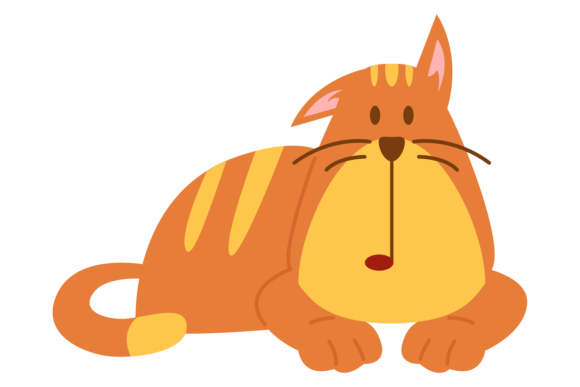
The first impression of this piece is immediate charm. The layout features a cartoon kitten in a relaxed, lying position, isolated against a white background. For those of us working in Illustrations and Graphics, isolation is key. It means we are not fighting unwanted background noise when prepping the file for embroidery software. The expression is the hook here—it is quirky, slightly mischievous, and undeniably friendly. In the world of handmade products, personality sells. A generic cat is forgettable; a cat with a funny face creates an emotional connection with the buyer.
Real-World Application: The Tote Bag Test
To evaluate this properly, I imagined a specific scenario: a custom order for a local bookstore’s summer reading program. They wanted tote bag design options that were playful but not childish. I visualized Lying Cat with Funny Face Expression. Cu stitched onto a natural canvas tote. The horizontal orientation of the lying cat fits perfectly across the width of a standard tote, allowing for balanced placement without crowding the handles.
In this context, the design performs well because it is bold. The shapes are clear, which is crucial for maintaining stitching clarity on textured fabrics like canvas or denim. If you were to use this on a sweatshirt embroidery project, the relaxed pose of the cat complements the casual nature of the garment. It doesn’t look stiff or overly formal. For Etsy seller audiences, this type of imagery works beautifully for baby embroidery items, such as onesies or burp cloths, provided the scale is adjusted correctly. Parents love whimsical characters that make them smile during late-night feedings.
Navigating Fabric and Stitch Challenges
While the design is appealing, practical application requires caution. Because this is a cartoon-style graphic, it likely relies on fill stitch areas for the body and potentially satin stitch for outlines or facial features. When dealing with stretchy fabric like jersey knits for t-shirts, you must be mindful of stitch density. If the fill is too dense, the fabric will pucker, distorting that funny face into something less charming. Always pair this design with a high-quality cut-away stabilizer for knit garments to maintain shape after washing.
Another consideration is dark fabric. Since the original asset is isolated on white, you need to ensure there is enough contrast. If the cat is light-colored, stitching it directly onto black navy fleece will result in poor visibility. You might need to add a white underlay or choose thread colors that pop. Conversely, on thin fabric like silk or lightweight cotton, heavy fill stitches can cause pulling. I recommend testing the design on scrap fabric first. Check how the thread colors interact with the material. Does the sheen of rayon thread enhance the cartoon look, or does matte polyester provide a more subdued, sophisticated finish?
For embroidered patch creators, this design is a strong candidate. Patches allow for higher stitch density without worrying about garment distortion. The isolated nature of the kitten makes it easy to create a clean border around the shape. However, watch out for tiny details in the face. If the eyes or mouth are too small, they may get lost in the stitching process. Simplify if necessary. Remember, embroidery is not printing; every pixel must become a physical thread.
Commercial Viability and Brand Consistency
From a business perspective, Lying Cat with Funny Face Expression. Cu adds value to a small shop product line because it is versatile. It fits into multiple niches: pet lovers, humor enthusiasts, and general gift buyers. For commercial embroidery projects, consistency is vital. If you are building a brand around quirky, handcrafted goods, this design aligns well with a playful aesthetic. It enhances customer trust because it feels intentional and curated, not mass-produced.
When creating printable mockup previews for your online store, ensure the digital representation matches the stitched reality. Use the provided JPG or transparent PNG files to overlay the design on product photos. This helps manage customer expectations. A personalized gift featuring this cat could include a name stitched below or above the character. Ensure the font choice complements the rounded, soft lines of the cartoon kitten. Avoid sharp, aggressive typography that clashes with the mood.
Technical Notes for Designers
Before launching into production, there are several technical checks to perform. First, verify the file formats available. The description lists EPS, JPG, SVG, and transparent PNG. Note that these are primarily vector and raster graphics formats. If you are using machine embroidery software, you will likely need to digitize this artwork yourself or confirm if a native machine embroidery design file (such as DST or PES) is included or sold separately. Do not assume an SVG is ready-to-stitch; it is a cut file or design asset that requires digitizing parameters like stitch type and direction.
- Check Licensing: Confirm whether the license allows for commercial use of finished items. Some graphic licenses differ from embroidery-specific licenses.
- Test Hoop Size: Determine the optimal hoop size. A 4x4 inch hoop might crop the tail, while a 5x7 inch hoop offers breathing room. Plan your placement accordingly.
- Inspect Details: Zoom in on the facial expression. Are the eyes symmetrical? In embroidery, asymmetry is noticeable. Adjust digitizing points if needed.
- Color Contrast: Test the design in black and white mockups. If the form holds up without color, the structure is solid. If it disappears, you need more definition.
Using this design for holiday embroidery or seasonal items is also viable. Imagine the cat wearing a small Santa hat added via applique or additional stitching. The base design is simple enough to serve as a foundation for customization. For craft business owners, this flexibility is a major asset. You can create a whole series of variations without redesigning the core character.
Ultimately, Lying Cat with Funny Face Expression. Cu is a strong contender for makers who understand the nuances of translating graphics into thread. It is not just a cute image; it is a functional design element that, when handled with proper stabilizer, thread choice, and digitizing care, can elevate a simple finished product into a memorable keepsake. Whether you are decorating custom apparel, creating nursery decor, or selling digital embroidery file adaptations, treat this asset with the respect it deserves. Test it, tweak it, and let the funny face bring joy to your next project.