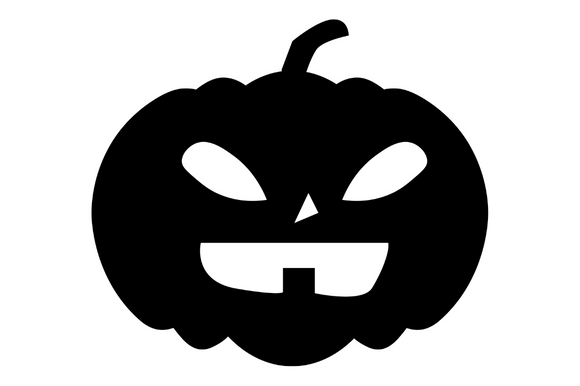
Reviewing the Halloween Pumpkin with Funny Face
As a designer who has spent countless hours staring at digitized files and watching needles dance across fabric, I have learned that not every graphic translates well into thread. When I first pulled up the Halloween Pumpkin with Funny Face, my initial reaction was one of cautious optimism. In the world of Illustrations and Graphics, it is easy to get lost in high-resolution pixels, but embroidery demands a different kind of scrutiny. This design, provided as a high-resolution PNG at 300 dpi with a transparent background, offers a solid starting point, but the real test lies in how it behaves when converted from a digital asset into a tangible, stitched reality.
The First Impression: Mood and Visual Personality
The immediate appeal of this pumpkin lies in its personality. It is not the menacing jack-o'-lantern meant to scare children, nor is it the overly cute, sanitized version often seen in mass-market decor. Instead, it strikes a balance that feels hand-drawn and whimsical. The lines are clean, which is crucial for any machine embroidery design or applique project. When evaluating a file like this, I look for clarity in the shapes. Ambiguous edges lead to messy stitching, but here, the separation between the stem, the body, and the facial features is distinct.
This visual clarity suggests that the design will hold up well even when scaled down. For an Etsy seller or a small shop product creator, versatility is key. A design that only works at a large scale limits your product range. This pumpkin, however, feels adaptable. It could serve as the centerpiece of a bold sweatshirt embroidery piece or act as a subtle accent on a smaller item like a baby hat or a decorative patch.
Real-World Application: From Screen to Stitch
To truly understand the value of these design assets, I mentally placed them into several common embroidery projects. Imagine preparing a custom order for a client who wants a set of matching tote bag designs for a fall festival. The transparent background of the PNG allows for easy placement in mockup software, helping you visualize the final look before a single thread is cut. However, the transition from screen to fabric requires careful planning.
If you are using this as a reference for digitizing your own embroidery file, the clear outlines make it easier to define stitch paths. You might choose a fill stitch for the orange body of the pumpkin to give it weight and texture, while using a satin stitch for the eyes and mouth to ensure crisp definition. Alternatively, if you are creating an applique design, the shape is simple enough to cut cleanly from felt or cotton, reducing bulk on the final garment. This is particularly important for baby embroidery, where comfort against sensitive skin is a priority.
Consider a personalized gift scenario: a kitchen towel for a friend who loves hosting Halloween parties. Placing this funny face near the hem adds a touch of humor without overwhelming the utility of the item. The playful expression invites interaction, making the finished product feel special and thoughtful. For commercial embroidery businesses, offering such unique, character-driven designs can help differentiate your brand from competitors who rely on generic clip art.
Navigating Technical Challenges and Fabric Choices
While the design is strong, practical experience dictates that we must consider where it might struggle. Embroidery is unforgiving on certain surfaces. If you plan to stitch this onto a textured fabric like a thick wool blanket or a loosely woven linen, the finer details of the face might get lost. In such cases, increasing the stitch density slightly or opting for an applique approach can preserve the integrity of the image.
Dark fabrics present another challenge. Since this is a PNG and not a pre-digitized stitch file, you are responsible for selecting appropriate thread colors. On a black hoodie, standard orange thread will pop, but you must ensure there is enough contrast for the facial features. A dark brown or black thread for the eyes might disappear against a dark navy or charcoal garment. Always test your color palette on scrap fabric first. This step is non-negotiable for maintaining professionalism and customer trust.
Curved surfaces, such as caps or hats, require extra attention. The roundness of the pumpkin complements the curve of a cap, but you must be mindful of distortion. Using the correct stabilizer is essential to prevent puckering, especially if you are working with stretchy materials like jersey knits used in t-shirts. A cut-away stabilizer is often recommended for garments that will undergo frequent washing, ensuring the handmade product retains its shape and quality over time.
Enhancing Brand Value and Customer Engagement
For craft business owners, the choice of design directly impacts perceived value. A well-executed Halloween Pumpkin with Funny Face signals attention to detail. It shows that you care about the aesthetic experience of your customers. When buyers see a clean, charming design on a custom apparel piece or a home decor item, they are more likely to engage with your brand, share photos on social media, and return for future purchases.
Using high-quality printable mockup tools with this PNG can significantly boost your online presence. Clear, attractive previews help customers visualize the holiday embroidery on their own items, reducing hesitation and increasing conversion rates. Whether you are selling physical goods or digital products, the clarity of the source image allows for professional presentation across all platforms.
Practical Notes for the Serious Maker
Before committing to a full production run, take a moment to review the technical specifics. Since the product description highlights that this is a high-resolution PNG, remember that it is a graphic file, not a native machine format like DST or PES. You will need to digitize it or use it as a template for applique. Check your machine’s compatibility with the file formats you generate. Confirm the licensing terms if you plan to sell the finished product commercially; while many graphic licenses allow for physical end-products, digital resale of the file itself is usually restricted.
- Test the design on scrap fabric to gauge stitch density and tension.
- Verify thread color contrast, especially on dark or patterned fabrics.
- Use appropriate stabilizers for stretchy or delicate materials.
- Check hoop size constraints to ensure the design fits without resizing distortions.
- Inspect small details after stitching to ensure clarity and cleanliness.
In conclusion, the Halloween Pumpkin with Funny Face is a versatile and engaging asset for any creative entrepreneur. It bridges the gap between playful illustration and practical application, offering ample opportunity for customization. By approaching it with a designer’s eye and a maker’s patience, you can transform this simple graphic into a standout piece that delights customers and elevates your craft.