Santa’s Favorite X-Ray Tech: An Embroidery Review
As a designer who has spent countless hours digitizing and stitching out holiday motifs, I have learned that not every festive graphic translates well to thread. The gap between a crisp vector on a screen and a textured finished product can be wide. Recently, I evaluated the Santas Favorite X-Ray Tech Christmas SVG to determine its viability for real-world application. This isn’t just about whether the image is cute; it is about whether it holds up under the needle of an embroidery machine and meets the quality standards expected by customers in the handmade market.
First Impressions and Visual Personality
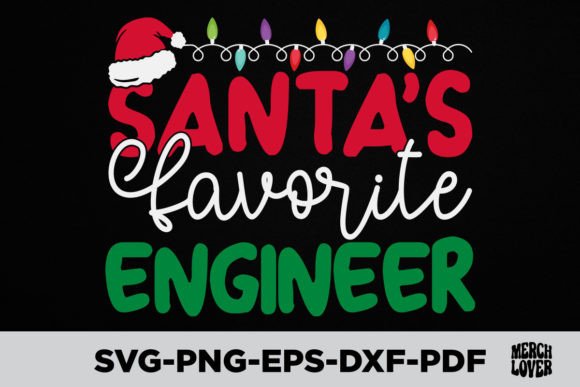
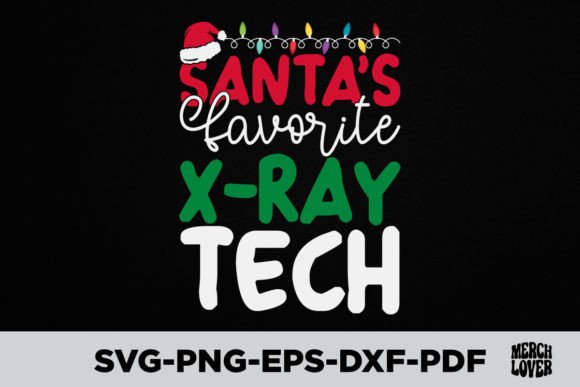
The initial appeal of this design lies in its niche humor. It targets a specific demographic—radiology technicians and medical imaging professionals—who often struggle to find holiday apparel that speaks to their profession without being overly clinical. The mood is lighthearted and witty, blending traditional Christmas iconography with occupational pride. For an embroidery project, this thematic clarity is crucial. Customers do not just buy a design; they buy an identity marker.
Visually, the layout appears balanced, but as a reviewer, I look past the colors. I examine the shapes. Are there isolated elements that might snag? Is the text legible at smaller sizes? The Santas Favorite X-Ray Tech Christmas SVG relies on clear lines and recognizable symbols. However, because it originates as a graphic intended for print-on-demand T-Shirts, mugs, and decals, we must critically assess how these flat shapes convert into the three-dimensional texture of thread.
Real-World Application Scenarios
To test the practical value of this asset, I imagined several production scenarios common to Etsy sellers and small shop products. The most natural fit is a unisex sweatshirt or a structured tote bag. On a heavy cotton blend sweatshirt, the design has enough surface area to allow for robust stitching without puckering the fabric. Here, the humorous message serves as a conversation starter, making it an ideal personalized gift for coworkers or friends in the medical field.
Consider a custom embroidered apron for a radiology department’s holiday party. The design’s horizontal orientation works well across the chest or waistband. In this context, the thread colors become vital. Red and green are standard, but incorporating silver or white thread to mimic the "X-ray" aesthetic could elevate the handmade product from generic to bespoke. This attention to detail builds customer trust and enhances brand consistency for sellers specializing in medical-themed merchandise.
Technical Considerations for Stitching
While the concept is strong, the execution requires careful planning. Since the source file is an SVG, it is inherently a vector graphic designed for cutting or printing, not necessarily a pre-digitized machine embroidery design. This distinction is critical. If you are using this SVG as a reference to create your own embroidery file, or if you are converting it, you must manage stitch density manually.
For areas intended to be solid, such as Santa’s hat or the text, a fill stitch is appropriate. However, avoid excessive density on stretchy fabrics like jersey knits, which are common for custom apparel. Too much thread weight will cause the garment to warp. Instead, consider using a satin stitch for borders and lighter fill patterns for larger areas. If the design includes fine details meant to look like X-ray bones or equipment, a running stitch might offer better clarity than a dense fill, preventing the details from merging into a blob after washing.
Another technical challenge is the background. If you plan to stitch this on dark fabric, you must ensure high contrast. A red Santa hat on a navy blue shirt may lack definition. In such cases, using a lighter thread color for outlines or adding a white underlay can improve stitching clarity. Always test the design on scrap fabric first. Check how the fabric texture interacts with the thread. Terry cloth towels, for example, may swallow small details, while smooth polyester blends will show every imperfection in the digitizing.
Navigating Limitations and Fabric Choices
There are specific situations where this design should be used with caution. Small hoop sizes, such as 4x4 inches, may force you to shrink the design to a point where the text becomes illegible. Tiny lettering is the enemy of durable embroidery; if the letters are too small, the threads will break or fray after a few washes. For caps or curved surfaces, the rigid nature of some fill stitches can cause stiffness. In these cases, simplifying the design or using an applique design technique—where fabric pieces are stitched down rather than filled with thread—can reduce bulk and improve comfort.
Additionally, be mindful of layered garments. If stitching on a thick hoodie, ensure your machine can handle the height. Use the appropriate stabilizer to prevent shifting. Cut-away stabilizer is generally recommended for garments that will undergo frequent washing, ensuring the embroidered patch or direct stitch remains intact over time. For delicate items like baby clothes, verify that the thread ends are securely locked and that no scratchy backing remains against the skin.
Commercial Viability and Professional Standards
For craft business owners, the value of Santas Favorite X-Ray Tech Christmas SVG lies in its niche appeal. It is not a generic snowflake; it solves a specific gifting problem. This specificity drives buyer engagement and allows for higher pricing due to perceived customization. However, professionalism dictates that you verify licensing terms. While the description mentions use for print-on-demand and various products, commercial embroidery rights may differ. Always confirm whether the license covers selling physical finished products or if it is limited to personal use.
When listing this item on platforms like Etsy, use high-quality printable mockup images that show the texture of the thread. Buyers need to see that the design is embroidered, not printed. Highlight the durability and the hand-finished quality. Mentioning that the design was tested for holiday embroidery longevity can differentiate your design assets from mass-produced alternatives.
Final Designer Notes
Before committing to a full production run, take these practical steps:
- Test the design on both light and dark fabric backgrounds to assess contrast.
- Review the stitch path to minimize jumps and trims, which saves time and reduces thread waste.
- Confirm the hoop size required and ensure it fits your machine’s capabilities.
- Inspect small details for potential snagging points.
- Verify the license for commercial use if you intend to sell the tote bag design or sweatshirt embroidery as part of your inventory.
In conclusion, the Santas Favorite X-Ray Tech Christmas SVG offers a charming and marketable concept for the right audience. With careful digitizing adjustments and thoughtful material selection, it can transition from a simple graphic to a high-value commercial embroidery asset. It rewards the designer who pays attention to the tactile realities of thread and fabric, resulting in a product that is not only visually appealing but also durable and professionally finished.